
Shima Tavasoli
Registered Psychotherapist (Qualifying) · CRPO #20331
Individual, couples, and family therapy, including children, teens, and adults navigating anxiety, depression, trauma, OCD, neurodivergence, relationships, or life transitions.
Treatments · ADHD & neurodivergent care
If keeping up with everyday things takes more out of you than people realize, you can talk about it here. Daniella Simas Medeiros, RP (Qualifying), offers psychotherapy for adults with ADHD and other neurodivergent experiences. Meet in Mississauga or online from anywhere in Ontario. You do not need a diagnosis to start.

Our child and teen therapy page explains ADHD, autism and neurodivergence support, clinician age ranges and consultation options. Daniella's services on this page are for adults.
Explore child and teen ADHD and neurodivergence supportChoosing a starting point? Read our guide to psychotherapy for autistic children and teens in Ontario for questions about fit, communication needs and assessment.
Compare Shima, Daniella, Megan and Kristen. Each clinician works with different ages; ask about fit and available appointments during a free consultation.
Your therapist
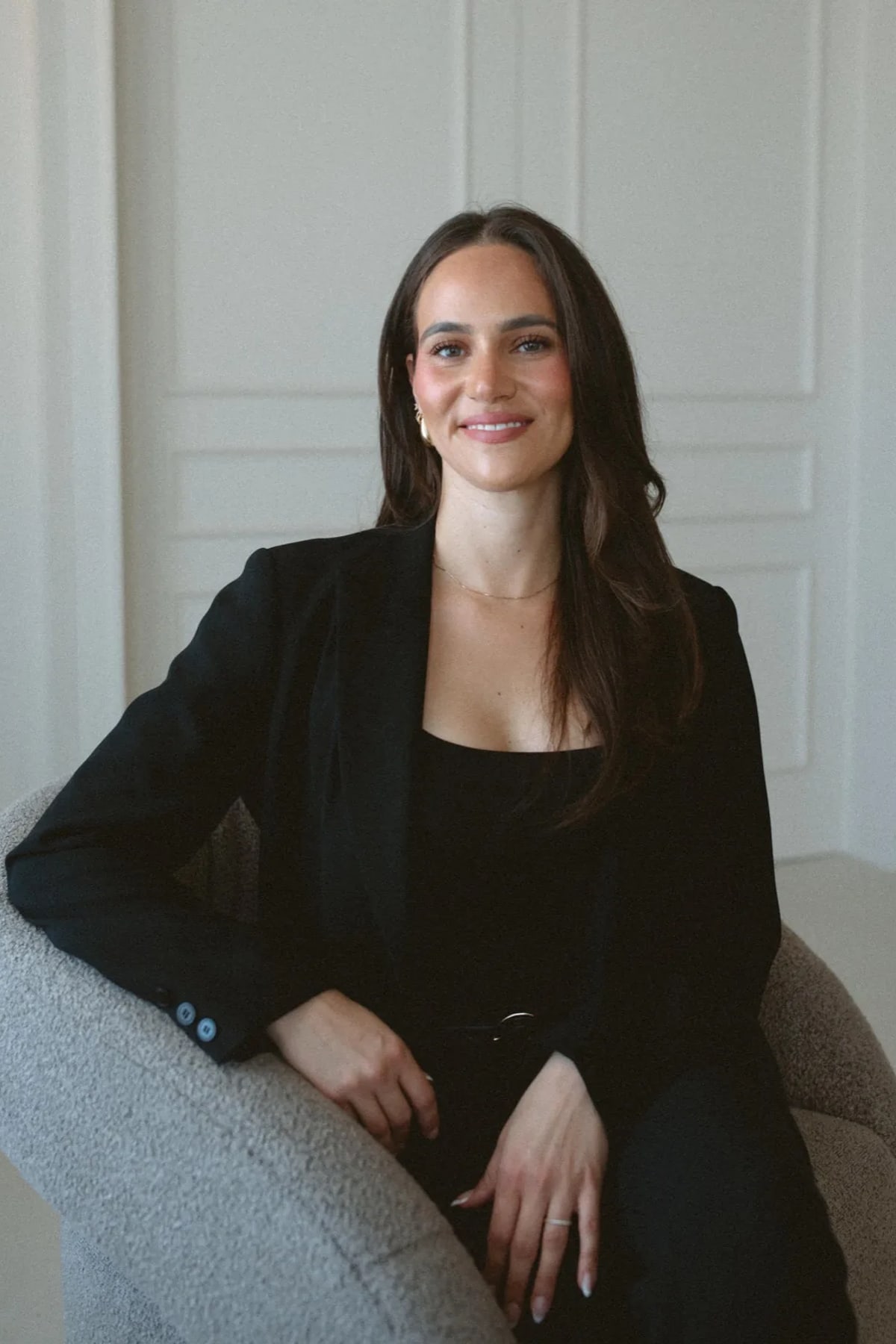
Registered Psychotherapist (Qualifying), CRPO #19387
Daniella works with adults experiencing ADHD, anxiety, burnout, and life changes. Her background includes workplace mental health, advocacy, and mental health research. She holds a Master of Arts in Counselling Psychology from Yorkville University.
Her approach draws on CBT, attachment theory, EFT, and somatic-informed work. The consultation is a chance to ask how she would approach the difficulties you are facing and whether you would feel comfortable working together.
What you can bring
You decide what matters most. Some things you might want to work on include:
If you are still deciding whether therapy is the right next step, our guide to therapy and assessment for adult ADHD explains the differences and suggests questions to ask.
In a session
You can move, fidget, take notes, or ask to come back to a point you lost track of. You do not have to sit perfectly still to take part in therapy.
If keeping track of appointments is difficult, bring that up too. You can discuss reminders and routines while keeping the practice’s appointment and cancellation policies in mind.
Getting started
Appointments are available in person in Mississauga or by secure video through Jane. If you are looking for support as a couple, visit our couples therapy page to learn about the clinicians and session options.
Therapy and assessment
This service is psychotherapy. We do not provide ADHD diagnosis or prescribe medication. If you want an assessment or advice about medication, speak with your family doctor or another qualified assessment or prescribing professional.
You can begin therapy while considering an assessment, after a diagnosis, or when you are unsure whether ADHD describes your experience. The consultation can help you decide whether this service fits what you are looking for.
No. Many adults come to therapy suspecting ADHD without a formal diagnosis, and many come post-diagnosis still trying to make sense of what it means. Psychotherapists do not diagnose ADHD, but we can work with how it is showing up in your life and refer to a physician or psychologist if formal assessment becomes useful.
It means taking your needs seriously and choosing goals with you. You might work on starting tasks, managing strong emotions, or being less harsh with yourself. Practical tools, including CBT, can be adapted to what helps you and what you can realistically use between sessions.
Yes. You can talk about what a later diagnosis means to you, including relief, frustration, or questions about earlier experiences. You and Daniella can also work on the parts of daily life you want help with now.
No. Registered Psychotherapists in Ontario do not prescribe medication. If medication is part of the conversation, we collaborate with your prescribing physician while we focus on the psychotherapy side.
For many adults, yes. Some neurodivergent clients prefer virtual sessions for sensory reasons, commute energy, and the option to fidget, stand, or move during a session. We do not require a perfectly still face on camera. In-person sessions in Mississauga are also available.
Individual sessions are $160 to $180 for 50 minutes. Ask your insurer whether your plan covers Registered Psychotherapist (Qualifying) services before booking. A free 15-minute consultation is available to ask about fees and fit.
For plan-by-plan coverage details, direct billing notes, and how to submit a claim, see Fees & Insurance.
Further reading
Our own guide, therapy for adult ADHD in Ontario, covers what therapy helps with, what it does not do, and how assessment works.
The Centre for Addiction and Mental Health publishes evidence-informed information on adult ADHD, including how it can present in women and adults diagnosed later in life.
For information on the regulation of psychotherapists in Ontario, see the College of Registered Psychotherapists of Ontario. To learn more about the RP (Qualifying) category Daniella practices under, see CRPO registration categories.
The Centre for ADHD Awareness, Canada (CADDAC) offers Canadian-focused resources, advocacy, and a clinician directory.
Related services and next steps
Our plain-language guide to what therapy helps with, what it does not do, and how assessment works in Ontario.
Learn about support for worry, panic, and anxiety in daily life.
Learn about bringing attention to physical sensations and stress into psychotherapy.
Read about her experience, approach, and work with ADHD and neurodivergent adults.
A short message if you want to write first. Daniella leads this work.
15 minutes, no charge. The simplest way to find out if the fit feels right.
A 15-minute consultation to ask questions and decide if the fit feels right.
Sessions are virtual province-wide, with local support for:
Toronto · Etobicoke · Mississauga · Brampton · Oakville · Burlington · Hamilton · Pickering + Ajax
Notes from the practice
Occasional practice updates, general resources, and clear information about consultations, fees, and insurance. No appointment or clinical information is sent through this list.